












Pro Teams in League of Legends
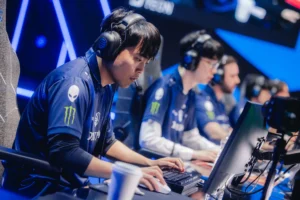
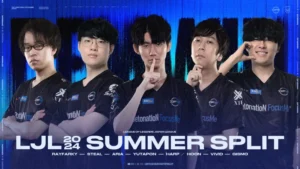
Professional squads are organizations that recruit talent, build systems, and chase regional titles for First Stand, MSI and Worlds. A standard lineup has five roles: top, jungle, mid, bot, and support. Staff handle coaching and analysis.
Rosters and staff structure
Many orgs use a pyramid: main roster, subs, academy. Contracts define buyouts and terms. Practice centers on scrims. Coaches plan, analysts prep drafts, and players sharpen champion pools.
Leagues and events
Domestic leagues shape the calendar. Regular seasons seed playoffs, and playoffs award international slots. Formats vary, but playoffs use best of series. Spring and summer remain common across regions.
Draft, styles, and win conditions
Pick and ban sets the plan. Some lineups push early skirmishes. Others scale for teamfights and objective play. Track markers: first herald, first dragon, plates, Baron setups. Strong teams stack vision, control waves, and strike on item timers.
Transfers, rules, and scouting
Transfer windows land near split breaks. Import and residency rules differ by region, with roster locks limiting late moves. Scouts watch solo queue, national leagues, and amateur events. Follow roster news to see how Teams change identity when a new coach or jungler arrives.
How to judge form
Start with draft goals, lane assignments, and jungle pathing. Then check mid game structure: side lane setups and objective timers. Numbers help: gold lead at fifteen, dragon and herald rates, Baron power plays. Rewatch key fights to judge engage choice and execution.
Common pitfalls
Do not rate teams by brand alone. Track patch shifts that lift or cut key champs. Be careful with scrim talk. It rarely matches stage play. Adjust for schedule load and short rest. A clean regular season can hide shaky best of five play.