




What LoL Tier Lists actually represent
A LoL Tier List is more than just a popularity chart or a win-rate ranking.
[caption id="attachment_21627" align="alignright" width="300"]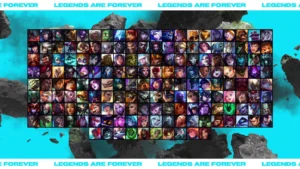 League of Legends Champions overview
Source: LoLEsports.com[/caption]
The goal is to evaluate practical, repeatable strength in real matchmaking conditions. The best champions aren’t always the ones with the highest KDA or the flashiest pro-play highlights - they’re the champions that consistently deliver results in solo queue.
When sorting champions into tiers, we consider several factors:
Laning reliability: How well a champion handles matchups, pressure, and early trading patterns.
Draft flexibility: Whether they can be blind picked or need careful counterpicking.
Objective impact: How reliably they influence early dragons, Rift Herald, and tower plates.
Mid- and late-game agency: Whether they can win fights, side-lane safely, or set up plays.
Skill floor: How difficult the champion is to play effectively without perfect mechanics.
Build stability: How hard patches swing their strength through item or rune changes.
In most patches, S-Tier champions have stable lanes, strong spikes, and multiple win conditions.
A-Tier champions are nearly as strong but require more specific matchups or cleaner execution.
Lower tiers can still win, but they usually rely on comfort, deep matchup knowledge, or ideal team drafts.
A champion’s tier is not a strict rule - it’s a realistic snapshot of what works for most players in the current patch.
How patches shift champion power
League of Legends is a constantly moving target.
[caption id="attachment_21629" align="alignright" width="300"] LoL Summoner's Rift
Source: Wiki.LeagueofLegends.com[/caption]
Every two weeks, Riot introduces changes that alter the meta - sometimes dramatically, sometimes subtly. Because of this, tier lists aren’t static; they evolve as players adapt, discover new builds, and experiment with buffs or nerfs.
Here’s how patches typically influence LoL Tier Lists:
Small stat tweaks
Even a minor armor, base HP, or ability damage adjustment can shift early trading patterns enough to change a champion’s tier.
Item and rune reworks
These often have the largest effect. A single mythic adjustment can push an entire class of champions up or down.
Jungle and objective changes
Smite cooldowns, XP curves, and camp health can completely reshape the jungle meta.
New champions and reworks
Whenever a champion is added or reworked, it temporarily warps the meta until players solve their matchups and counters.
For the most accurate reading of the patch, it’s better to track performance over 7–14 days, not just the first weekend. The meta often settles after players figure out the optimal build path and early-game pattern.
How to use LoL Tier Lists to climb ranked
A tier list is a tool—not a strict rulebook.
The goal is to help you make draft decisions that give you a higher baseline win chance. Here’s how to use it effectively:
[caption id="attachment_21630" align="alignright" width="300"]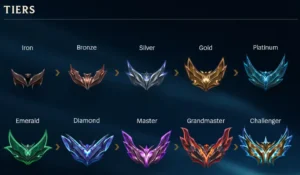 LoL ranks overview
Source: Wiki.LeagueofLegends.com[/caption]
Keep a small, focused champion pool
Choose two champions from S or A tier that match your preferred playstyle.
Add one reliable counterpick for matchups you frequently struggle with.
Play to your role’s win conditions
Top laners track wave states and manage trades.
Junglers use efficient pathing and early objective timing.
Mid laners combine lane prio with roams.
ADCs focus on spacing, spikes, and DPS uptime.
Supports control vision and create windows for their ADC.
Knowing why your champion wins gives you more value than trying to mimic the entire meta.
Draft around your team’s needs
Instead of forcing the champion you “feel like playing,” think about what your team already has:
Do you have engage?
Do you lack a frontline?
Do you need waveclear?
Are you missing burst or poke?
Good drafts create win conditions before the game even loads.
Building your own meta understanding
While tier lists offer guidance, your personal notes are equally important. Meta strength is meaningful, but your performance matters more.
Here are useful habits:
Track matchups you consistently lose.
Record which ward placements prevented early deaths.
Note which item paths felt best into specific enemy comps.
Adjust your bans based on personal difficulty, not global statistics.
This combination - meta insight + personal experience - is what leads to consistent climbing.
Frequent mistakes players make with Tier Lists
Many players misuse tier lists and lose games because of it. Here are common pitfalls to avoid:
- Blind picking counterbait champions
Some picks crumble when the enemy sees them early. - Copying pro builds without understanding the context
Pro comps rely on coordination your solo queue teammates won’t match. - Chasing “viral builds” after one clip
One highlight doesn’t mean it works every game. - Playing pocket picks without enough practice
A tier list can’t compensate for lack of mastery.
Climbing comes from simple, repeatable decisions—not flashy experiments.
Learn the fundamentals behind every LoL Tier List
If you’re new to League of Legends - or you want to understand the core fundamentals that make champions strong in the first place - the video below is a great starting point. “The ULTIMATE Beginner's Guide to League of Legends!” by Skill Capped Challenger LoL Guides breaks down the essential concepts that apply to every role and champion, regardless of patch.
This isn’t just a beginner tutorial. It explains the fundamentals that directly shape why certain champions rise to the top of LoL Tier Lists, including:
how laning advantages actually form
why wave control matters more than raw mechanics
which habits decide fights before they even happen
how objectives snowball games long before late-game scaling kicks in
why some champions climb easily even when they’re not meta favorites
If you want a clear, visual explanation of why tier lists look the way they do - and what separates consistent climbers from players stuck in the same rank - this video pairs perfectly with the written role tier lists on this page.
Source: Skill Capped Challenger LoL Guides
Explore all LoL Tier Lists
To help you navigate every role, we maintain dedicated tier lists updated each patch:
All Champions Tier List (All roles combined)
These lists follow the same structure, making it easy to track patch-to-patch changes and understand the broader state of the meta.