

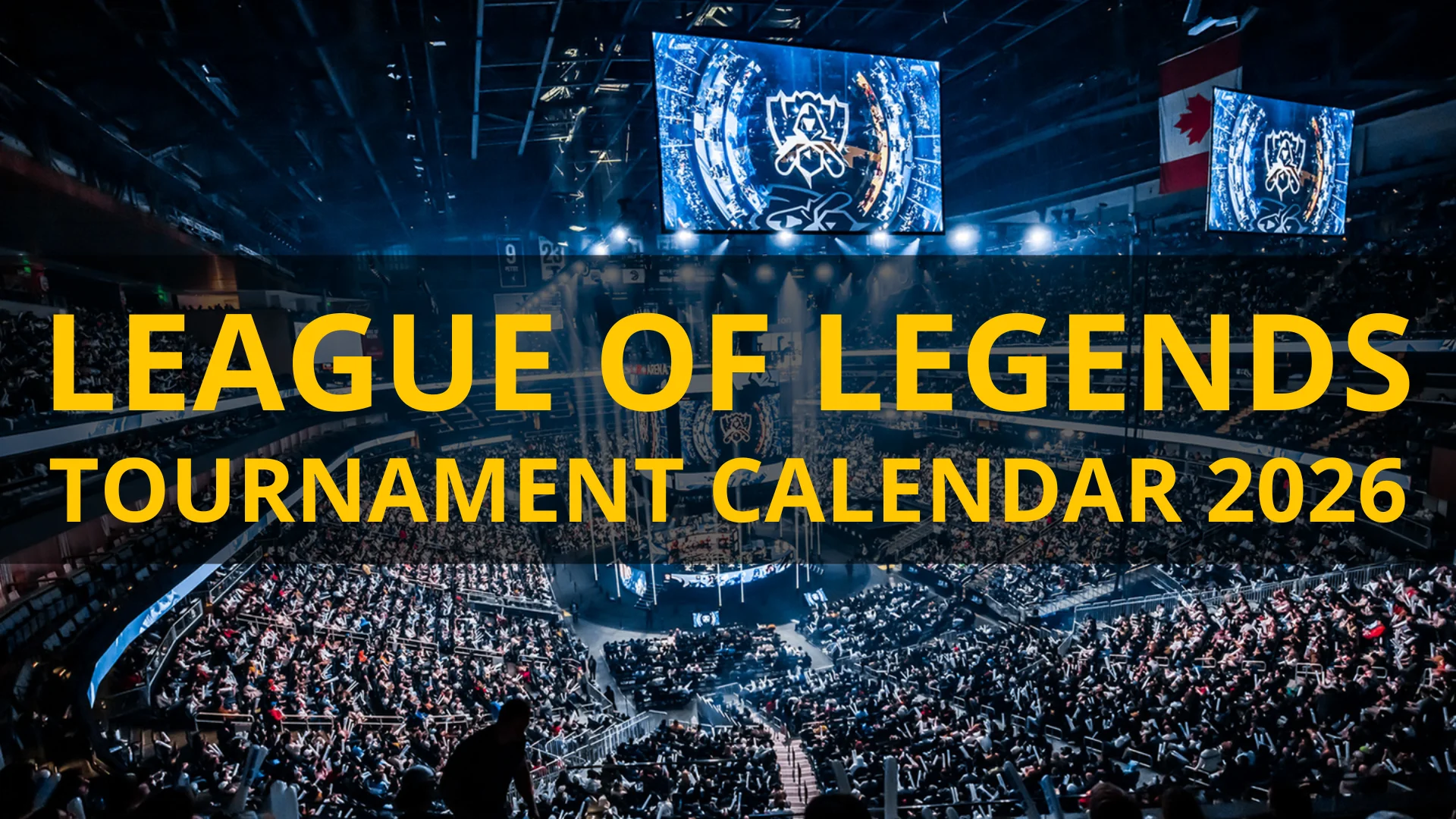
League of Legends has grown into something far bigger than a game played at home. Tournaments fill arenas. Streams pull in millions of viewers and turn fans into celebs. Big matches turn into shared moments across time zones. With that attention comes curiosity and a whole scene of people trying to predict and understand outcomes.
Some people watch purely for the spectacle. Others go a step further and try to predict outcomes before the games even begin. That interest has turned prediction into its own side of the LoL ecosystem. It is a bit like when we watch football or other traditional sports – people are keen to discuss the chances of certain teams and even individual players. The same happens with esports. And LoL is one of the biggest…
Prediction in LoL Culture
LoL works well for prediction because it feels readable on the surface. Teams have styles. Players have habits. Drafts follow patterns. On paper, it looks like a puzzle waiting to be solved.
Major events like the League of Legends World Championship make this even more of an interesting thing to try and work out. Narratives build over weeks. Predictions become part of the conversation before the first minion even spawns.
Some people enjoy making predictions casually. They might share their thoughts online or with friends. Others tie it to betting. There are more ways now to bet on esports, and League of Legends betting at Bovada means multiple markets that people can potentially take an interest in. Viewers may study what is already known and try to spot where things might turn.
Betting can mean trying to work out things like individual performance or one-off matches. But there are also markets for things like tournament winners.
Statistics
There is now a calendar full of fixtures and events in the world of esports. Stats are usually the first stop for trying to predict what is going to happen. Win rates. Champion picks. Average game length. Objective control. These numbers help shape expectations.
A team like T1 often comes into tournaments with years of data behind them. Past performances at international events carry weight. Consistency matters.
At the same time, numbers never tell the whole story. A strong record in one region does not always translate cleanly to another. Stats help narrow possibilities, even if they cannot lock anything in. There is always a big element of randomness.
Draft Phases
Many predictions hinge on the draft. Champion selection reveals intent early. Some teams prefer safe scaling picks. Others look for early pressure and fast games.
Teams such as G2 Esports built reputations on flexibility and surprise. That makes them harder to predict. A wide champion pool allows for sudden shifts in approach, and this can even happen mid-series. G2 Esports is a good example of a team with mixed results and both exceptional performances and some disappointments throughout their history of tournaments.
Draft trends also change quickly. A patch before a tournament can flip expectations overnight. Predictors watch these updates closely. They know that comfort picks may rise or fall in importance.
Following Teams Closely
Prediction is not limited to match history. Many fans follow teams closely outside the game itself. Social media posts and behind-the-scenes content offer clues.
Travel fatigue. Roster changes. Mood shifts. These details do not guarantee outcomes, but they influence confidence. A relaxed team often plays differently from one under pressure.
Rumours also circulate before big events. These can sometimes shape expectations and even have an impact on the odds. When several sources point in the same direction, people take notice.
Understanding Playstyles
Playstyle analysis sits at the heart of LoL prediction. Some teams prefer slower and controlled matches built around objectives. Others lean into chaos and early fights.
When styles clash, predictions become more interesting. A disciplined team facing an aggressive one creates uncertainty. The outcome depends on which approach asserts itself first.
This is why regional identity matters. Korean teams are often associated with structure (and Korea has produced some impressive players). European teams with creativity. Chinese teams with tempo and confidence. There are exceptions to these rules – these ideas are not fixed truths, but they influence how matches are framed before they happen.
When Randomness Takes Over
Despite all this effort, LoL remains unpredictable. A single misplay can flip a game. A risky call can end a series.
International tournaments are full of surprises for this reason. Teams meet less often. Styles collide in unfamiliar ways. Preparation only goes so far.
This unpredictability is not a flaw. It is part of the appeal. Prediction stays interesting because certainty never arrives.
Community Prediction
Predictions are not made in isolation. Communities form around them. Analysts share breakdowns. Fans argue over drafts. Content creators build followings by explaining their logic and trying to work out what is going to happen in the next big tournament.
Pick’em challenges during major events turned prediction into a shared game. Everyone fills out brackets. Pretty much everyone gets something wrong. This is similar to what has happened in traditional sports for a long time. Things like fantasy leagues thrive on this!
That collective experience matters. It turns prediction into conversation rather than competition.
LoL gives enough information to encourage analysis, but enough randomness to resist control. That balance is why prediction remains popular.




0 Comments